

Résumé
Les progrès récents de l'intelligence artificielle (IA) et des grands modèles de langage présentent de nouveaux défis et de nouvelles opportunités pour les professionnels du chiffre. Dans cet article, nous examinons comment l'IA transforme le paysage de l'audit. Elle a le potentiel d’accroître l'efficacité des audits en automatisant les tâches répétitives, en améliorant l'analyse des données, en élargissant les capacités d'échantillonnage, en identifiant les irrégularités et en générant des informations prédictives. Cependant, nous affirmons que le scepticisme professionnel reste essentiel lorsque les auditeurs utilisent des outils d'intelligence artificielle. Certes, ces outils soutiennent le preneur de décisions, mais ils ne reprennent pas en soi la prise de décision ou la responsabilité des conséquences découlant des décisions. Les nuances apparaissant au cours du processus d'audit et l'interaction avec les clients et les collègues nécessitent l'intervention de l'homme. L'IA ne remplacera pas les réviseurs d’entreprises, mais ceux-ci doivent acquérir de nouvelles compétences pour évaluer et valider efficacement les algorithmes d'audit, en veillant à ce que les outils d'intelligence artificielle renforcent la fiabilité de la prise de décision sans en compromettre l'efficacité.Introduction
While new technologies are often met with skepticism due to their potential to revolutionize accounting practices, the emergence of LLMs (Large Language Models) and AI—with their extensive capabilities—represents an even more significant game-changer. In the past, we have seen the emergence of new techniques such as ERP systems, continuous auditing, XBRL accounting, blockchain technology, automation tools like robotic process automation (RPA), and many more (Eulerich et al., 2024). What sets AI apart is that it is one of the fastest-growing technologies. Applications like Microsoft Copilot, ChatGPT, Bing, and various other platforms make the technology accessible at low cost to many corporations and individuals (Reuters, 2023; Eulerich et al., 2024).
Research by OpenAI and the University of Pennsylvania (Eloundou et al., 2023) highlights that accounting and auditing are among the professions most significantly impacted by AI. The World Economic Forum’s Future of Jobs Report (2023) also projects considerable job losses in accounting due to advances in digitalization and automation by 2027. Likewise, Frey and Osborne (2017) place registered auditors within the top 20% of occupations most impacted by computerization. Indeed, the performance of AI cannot be underestimated, and the notion that the computer can replace the registered auditor might not be a myth. For example, Eulerich et al. (2024) show that ChatGPT 4.0 can pass all the CPA exams with a score of 85.1% when using additional training and calculation tools. So, time to let the robot do the work, right?
We, however, argue that the future of registered auditors “with AI” still looks bright. Though AI models demonstrate impressive capabilities, human intervention and professional skepticism remain essential. Registered auditors who embrace these tools and integrate them thoughtfully into their work will not only enhance audit quality but also redefine the profession's future. While AI tools will not replace humans, registered auditors who ignore or disregard their potential might find themselves replaceable. The challenge lies not in resisting AI but in leveraging it to transform audit practices.
Embracing the tools and capabilities of AI
Before describing what AI can offer to registered auditors, it is helpful to define what AI encompasses. Several definitions have been put forward. In broad terms, artificial intelligence (AI) refers to the development of computer systems or machines that can perform tasks that typically require human intelligence (IBM, 2024; Medium, 2023). The idea of AI is to create technologies and applications that can mimic, augment, or even outperform humans in many domains. AI is designed to analyze large patterns of data, recognize patterns in the data, and sometimes even make autonomous decisions with various degrees of discretion.
AI appears in many disciplines. Healthcare professionals use it to check patient records, medical tests, and X-rays, detecting certain patterns and anomalies to help physicians diagnose conditions like cancer much earlier in the process. Robotic surgery is another revolutionary example. As a result, AI enables healthcare professionals to focus more on tasks that need the “human touch”. For example, patients often feel that doctors do not spend sufficient time with them to interact closely and build trust, and indeed, due to the shortage of doctors, they often do not have time. With AI taking over some tasks, human time is freed up and can be used where humans add more value than AI—for instance, in guiding and comforting patients in difficult times (Levels, 2020). In transportation, AI-powered route optimization tools analyze traffic, weather, package volume, and delivery constraints in real-time to determine more efficient routes. Shops like Target and online stores like Amazon analyze purchasing history of their customers, using big data to predict their next big purchase. This allows them to engage in tailored marketing strategies that try to satisfy customer needs but ultimately boost sales. Even simple tools like personal assistants or using Copilot in meetings help employees gain efficiency in their daily work—for example, by taking notes, providing summaries of the meeting, and sending the summary to all participants. Recruiters also use AI to select the best candidates for the job, and machine learning tools are often capable of selecting the candidates that will excel in future jobs (Chen and Ke, 2024).
A. What’s in it for the registered auditor?
CPA Canada and AICPA (2019) argue that AI has different levels of maturity (see Figure 1). Simple technologies of AI do not always require deep learning. At the more advanced stages, AI, machine learning, and deep learning techniques enter the scene. Yet, we argue that embracing even the simple forms of technology can make a notable difference to the profession.
In stage 1, decision-makers focus on basic or routine tasks that, with limited intelligence, can be performed by computers and algorithms. With limited investment, numerous audit tasks can already be supported through the use of technology.
"Embracing even the simple forms of technology can make a notable difference to the profession."
Robotic processes can assist registered auditors in the profession. Robotic process automation (RPA) tools have been implemented early on in digital auditing platforms such as KPMG Clara or EY Canvas. These RPAs can streamline financial processes by automating repetitive tasks such as data entry, reconciliation, report generation, and processing of information. Natural Language Processing (NLP) or AI-driven NLP technologies can extract insights from unstructured textual data, such as audit reports, emails, and legal documents, facilitating efficient information retrieval and analysis.
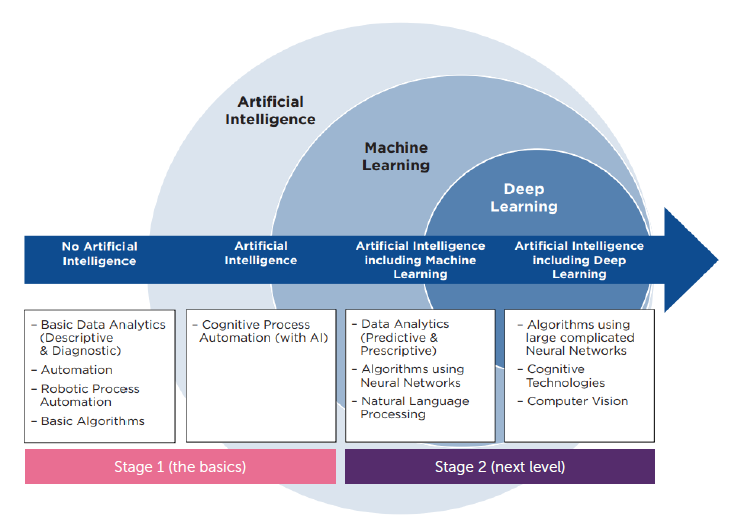
Figure 1: Stages in AI applications (CPA and AICPA, 2019).
Inventory counting, for example, is a process that can be automated. Christ et al. (2021) show that drones can help auditors with this time-consuming task. New technologies can decrease count time from 681 hours to 19 hours while at the same time counting more accurately. Error rates in the study decreased significantly from 0.15% to 0.03%. Such technologies may come with sizeable costs, a topic to which we return later. At the same time, this significant reduction in time can help auditors focus back on the core business of providing sense and context to documentation that helps support their findings. Invoicing, payroll administration, gathering evidence, and extracting data from several source documents can be automated. Similar to healthcare professionals, auditors can resort to automation of collecting evidence and help to gather initial diagnostic information about potential red flags or cues that require further investigation.
Natural Language Processing (NLP) offers additional benefits. Researchers from Chicago (Kim et al., 2024) have shown that AI performs remarkably well in offering risk reports for companies. Their models help to train ChatGPT in extracting risk information from conference calls. They show that the AI-generated risk reports predict economic outcomes of companies more efficiently. Auditors can mimic this process. With specific prompts, they can extract crucial information from the companies’ filings and documentation and assess whether companies are at risk. Another example is provided by Cardinaels et al. (2019). A simple algorithm can summarize earnings releases from companies. The big benefit of AI is that it provides summaries with less bias, directing the decision-maker to the fundamental cues that matter for future performance. It helps to undo the biases that managers introduce in their summaries, offering greater insight to the decision-maker.
When gathering evidence, the use of AI is also important. Recently, many companies, including audit firms, design their internal chatbots to assist auditors (WSJ, 2023; Deloitte, 2023) or help auditors to plan better on how to approach audit tasks. In their working paper, Bhaskar et al. (2024) show that such bots help decision-makers. The use of such tools leads to more speaking-up behavior as auditors feel more confident about raising red flags and important issues during meetings. While such internal bots are not always available at smaller firms, simpler tools like summarization, automatic gathering of evidence, or instructing ChatGPT to calculate ratios and analyze some of the fundamentals can be fruitful for saving efficiency in the initial phases of the audit.
B. Upscaling the sampling procedure
A significant aspect of the audit profession involves checking transactions and procedures to detect anomalies or potential red flags. Due to the often large amounts of records, auditors often resort to sampling. Sampling is an auditing technique that provides supporting evidence that allows auditors to issue audit opinions without having to audit every single item and transaction. While this technique makes a lot of sense, AI offers a drastic shift in approaching the testing phase. If you can test the entire population with computing power, why not apply it?
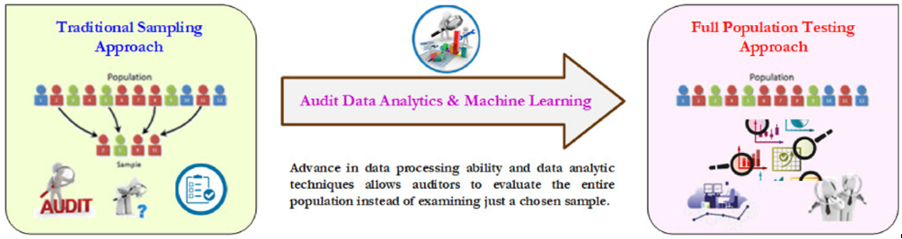
Figure 2: Upscaling sampling (Huang et al., 2022)
While small-scale sampling has its value, stage 2 models of AI (see Figure 1), using more advanced machine learning techniques, allow the testing of the full set of transactions that a company conducts, making it more economical. Consider giants like Amazon or Bol.com, which produce millions or even billions of transactions annually. Drawing up a representative sample of transactions here is nearly impossible or subject to errors. Even if one would test 500,000 transactions, it still represents much less than 1% of the transactions of Amazon. The issue with sampling is that it is hard to achieve a representative sample, and error rates are large as auditors tend to rely on fairly small samples as they were traditionally restricted by time and computing power. The conclusions that one draws from a small sample might not be representative of the entire population. This runs the risk that certain anomalies might not be flagged and remain undetected.
With AI, the entire population can be screened. Audit data analytics and machine learning can play a critical role in identifying abnormal transactions (Huang et al., 2022). For instance, it may list that from the full set of invoices, about 5% did not follow the standard routing, and 2% had strange anomalies. AI can be further trained to prioritize exceptions based on the severity of violations and the dollar amounts involved. This initial evidence gathering leads to a complete picture and ensures that many of the anomalies that may go unnoticed via small sampling are now put on the table. In the Belgian audit profession, for example, these tools are employed for tasks such as journal entry testing in compliance with ISA 240. However, the use of such tools remains heavily dependent on the resources and infrastructure of specific audit networks.
This is just one example of more advanced techniques that auditors can use. Machine learning (Stage 2) can also be used for fraud detection. It further allows auditors to predict future trends and significant changes in earnings, again allowing the auditor to identify potential going concern issues earlier. This can also be informative for management of the company to see where further action is required. The risk analyses of the previous section can also be upscaled with machine learning techniques.
Upscaling will be increasingly important, as with the introduction of CSRD, the company’s efforts on environmental, social, and governance (ESG) aspects need to be assured. Here, given the amount of data, AI can play an even bigger role in gaining efficiency and helping the auditors in assuring that the company’s disclosures are reasonably accurate.
Investments in the future
As the integration of Artificial Intelligence (AI) into the auditing profession moves forward, many firms weigh the costs against the benefits. While initial expenditures and the learning curve associated with adopting AI tools are unavoidable, these costs should be viewed not merely as expenses but as strategic investments in the future of auditing.
A. The investment perspective on AI implementation
The costs of AI integration vary widely depending on the desired outcomes and the scale of implementation. For firms seeking a comprehensive, customized AI solution, the investment can be substantial. Developing an advanced AI system may involve hiring data scientists, investing in advanced data processing infrastructure, and allocating resources for ongoing maintenance and updates. Such an endeavor can easily escalate into hundreds of thousands of euros. Deloitte serves as a prime example; by consolidating its AI initiatives into the Artificial Intelligence Center of Expertise (AICE), the firm has made a significant investment, employing hundreds of experts to drive innovation, particularly in the consulting domain.
Conversely, there are more accessible AI options available that offer robust capabilities without the hefty price tag. Off-the-shelf tools like Caseware AnalyticsAI provide powerful data analysis functions on a subscription basis, often costing just a few thousand euros annually. These solutions can automatically run extensive tests on all transactions—far beyond the capabilities of traditional sampling methods—identifying outliers and grouping items to give auditors a comprehensive risk overview. More affordable tools like ChatGPT, available for around 20 euros per month, can assist with tasks such as drafting reports based on bullet points, though caution is advised when handling sensitive data. Typically, firms cannot simply paste clients' proprietary or confidential data into these systems, as LLMs process data externally, potentially exposing it to risks of misuse or breaches. This raises concerns regarding data security, client confidentiality, and compliance with regulatory requirements. It may be advisable to deploy LLMs within secure, private environments where data control is maintained. At the same time, also cost-efficient AI offers solution for organizations facing confidentiality challenges by creating simulated data that mirrors real-world scenarios. This capability enables auditing professionals to perform comprehensive analyses and simulations without compromising privacy or data security.
These examples illustrate that AI integration is scalable and adaptable to various budget constraints. Firms can start with smaller investments and expand their AI capabilities as demand and resources grow.
B. Upskilling employees for an AI-enhanced future
Integrating AI into auditing is not solely about adopting new tools; it also necessitates a shift in the skill sets of auditing professionals. Employees may need to upskill to effectively utilize AI technologies, even if they do not become expert programmers. A fundamental understanding of AI and data analytics is crucial. This includes comprehending how AI systems function, the types commonly used in auditing, and recognizing both the potential outputs and limitations of these technologies. The reliance on training data and the implications of any inherent biases are critical to understand. LLMs rely on vast amounts of publicly available data, which may include outdated, biased, or inaccurate information. As a result, they can inadvertently produce outputs that reflect these limitations. This underscores the need for auditors not only to be aware of these risks but also to develop the skills necessary to critically assess AI-generated outputs.
For instance, understanding how a machine learning model identifies and predicts audit risks enables auditors to interpret results more effectively and apply them correctly. Auditors must review AI-generated insights, determine relevance, and make informed decisions. This capability is essential not only for integrating AI findings into the audit process but also for confidently explaining these findings during client negotiations. Moreover, legal responsibilities dictate that auditors cannot attribute their audit opinions solely to AI outputs; understanding the genesis of the information is a fundamental part of the job.
“A fundamental understanding of AI and data analytics is crucial.”
A recent academic study (Law and Chen, 2024) examining job postings reveals a prominent shift in the demand for auditor skills. In firms where AI is applied, there is a decreased demand for traditional software skills, such as proficiency in Excel. Simultaneously, there is an increased demand for cognitive skills or client skills. The use of AI reduces the need for routine technical tasks, allowing auditors to focus more on non-routine tasks that require human judgment and interaction. The emphasis on the human factor also mirrors the audit regulator’s view. Human intervention remains critical to ensure that these outputs are properly interpreted and contextualized. Auditors must apply their professional judgment to analyze and validate AI-driven findings, as interpretation is a core component of the audit process. Without this critical layer of human expertise, AI outputs may be deemed insufficient by regulators. This reinforces the complementary nature of AI in auditing: it is a tool to enhance, not replace, the auditor's role in delivering high-quality, regulator-compliant audit work. This shift suggests that while auditors do not need to become technical experts in AI, there is a growing space for AI in auditing.
C. Strategic implications and workforce considerations
From a strategic standpoint, the adoption of AI could help address the chronic shortage of skilled personnel in the auditing profession. By automating routine tasks, AI technologies enable existing staff to concentrate on higher-value activities, effectively expanding workforce capacity without increasing headcount. This not only helps manage personnel shortages but may also enhance job satisfaction by allowing auditors to engage in more meaningful work.
However, there are potential workforce implications to consider. In their study, Fedyk et al. (2022) suggest that investment in AI could lead to a reduction in accounting staff over time. For example, the authors observed a 7.1% decrease in accounting employees four years after an AI investment. While other factors may contribute to this reduction, the trend highlights the need to consider how AI adoption may impact staffing levels. Nonetheless, the study indicates a 5% reduction in the likelihood of a audit restatements, suggesting enhanced accuracy in information processing and potential elimination of human error.
Strategically, investing in AI is becoming less of an option and more of a necessity. The rapid evolution of AI in auditing presents significant challenges, particularly for small audit firms. While large firms often have the resources to invest in AI tools, training programs, and IT infrastructure, smaller firms may struggle to keep pace. Larger auditing firms with ample resources are quickly integrating AI, setting new industry standards. This disparity risks widening the gap in efficiency and service quality between smaller firms and their larger counterparts. Clients of smaller firms may soon expect similar efficiencies, particularly if they become aware of the advantages such as faster information processing and overall improved efficiency. Firms that fail to adopt AI risk signaling inefficiency, potentially driving clients toward competitors who have embraced the technology. On the flip side, AI can level the playing field by allowing smaller firms to compete more effectively. Affordable AI tools enable these firms to enhance their services, demonstrating to clients and the market that they are committed to staying at the forefront of industry advancements. This commitment is crucial not only for attracting and retaining clients but also for inspiring confidence among stakeholders that the firm is equipped to handle future challenges.
Professional skepticism in using AI is key
While the initial literature argued that humans are skeptical about AI and seem to have an algorithm aversion (Dietvorst et al., 2015), the mindset of people has shifted more and more toward appreciation of these algorithms. When humans are kept in the loop or when tasks are increasingly complex, they are more likely to resort to algorithms. Also, with increased literacy and the adaptability of algorithms allowing humans to adjust parameters, reliance on AI increases. Compared to the early stages of in-car navigation systems, we now fully trust these systems for guidance. This trust has grown so strong that people blindly follow directions without questioning if the guidance is correct—which can occasionally lead to unintended consequences, like driving into pedestrian lanes or restricted roads.
However, reliance is only helpful to the extent that we remain skeptical. In many cases, reliance on algorithms improves decision-making. Commerford and Ulla (2023) document that auditors propose better audit adjustments in cases of high uncertainties, particularly if algorithms are adaptable and have learning capabilities. The broader implication of this study is that reliance on algorithmic advice is contextually dependent. It is influenced by an algorithm’s features and capabilities, and it is important to understand the features of the AI to help registered auditors make better use of them.
Indeed, blindly following algorithms can be dangerous. Peters (2024) offers evidence of an automation bias—that is, auditors may use automated cues as a heuristic replacement for seeking information to the extent that it reduces their professional skepticism. In his study, Peters (2024) shows that registered auditors are less critical of structured audit tasks when they are performed by technology (which makes mistakes) than when they are performed by a colleague. With AI assistance, auditors tend to spend less time on tasks and often place blind trust in the algorithm, which leads to underperformance in the task. Also, Cardinaels and Zureich (2024) show that decision-makers are less skeptical in making difficult decisions. They rely heavily on an algorithm and offload difficult decisions to it, which can be dangerous when the algorithm lacks sufficient quality.
"Blindly following algorithms can be dangerous."
A notorious case where reliance on algorithms went wrong was the Dutch “toeslagen affaire” or the Dutch childcare benefit scandal (UvA, 2023). Many parents were falsely accused of fraud by the Dutch tax authorities due to discriminatory and biased algorithms. The consequences for these families were devastating. AI poses risks and is still prone to errors and biases. If the data used to train an AI system contains bias, such as stereotypes related to gender or ethnicity, AI incorporates these biases and reflects them in its decision-making.
A. Transparency and explainability of AI
The issue with AI is that, as decision-makers, we are not always aware of the data on which the AI was trained. Often, we allow algorithms to make initial decisions and trust the output without question, taking their results for granted. That is why research now starts to emphasize the role of transparency and explainability when AI is taken into action (Balasubramaniam et al., 2023). Explainability, or the question “How does this work?” is a key factor in AI use.
When AI becomes more advanced, it is often hard to comprehend how AI came to a result. The whole process of going from input to output often remains a black box, sometimes even to the designers of such systems. Here is where the term explainable AI comes in (IBM, 2024). Explainable AI refers to methods and tools that make an AI model’s decisions understandable and interpretable. It allows for a clear assessment of the model’s impact, anticipated outcomes, and possible biases, thereby helping to evaluate its accuracy, fairness, and transparency. It is closely connected to transparency. Users should get insight into the data that is used to train the model. The role of algorithms in these models and what was considered to make predictions need to be disclosed. Openness about the capabilities, the data sources, but also the limitations and context of its use is crucial to avoid people using AI in contexts for which it is not designed. AI transparency should offer insights into the inner workings of these systems, enabling people to understand and trust how they operate so that they can apply these tools with skepticism.
AI can help auditors become more efficient, but insights into the process should still trigger sufficient skepticism so that auditors also apply sufficient human judgment in the process. We would advocate that AI be seen as a companion, which, similar to other actors, may provide advice—albeit faster, more efficiently, and more accurately. Yet, as with any actor, we should still apply our own judgment and assess whether the model’s insights align with the specific context to which AI is applied.
B. Towards Audit 2.0
Once AI is in place, the auditor will receive a new role. For instance, more and more companies use advanced technologies to track their emission behavior. Firms ask their suppliers, customers, and employees to participate in tracking systems that can measure emission behavior. While the systems make use of AI and generate many statistics and insights, auditors should be skeptical about the output they generate. What rules does the algorithm use to track behavior? Does it make errors? What estimates does it use? How many people participate in these tools such that outcomes generated via AI are reliable? AI might be based on a sample of people which does not represent the true population.
As one can see, these questions raise the issue of whether or not auditors in the future also need to audit the algorithms behind AI. As organizations increasingly base their decisions on algorithms, the need to audit them becomes larger (Sandu et al., 2022). It is problematic if the data used to train the algorithm is not representative of the group where the algorithm will be applied. Second, if designers cannot explain well or have to admit that they do not fully understand how algorithms work, we should maybe not put them in place. Indeed, these questions are fundamental to the new audit profession. Auditors may need to audit the training data to ensure that AI is free from bias. AI algorithms that are trained on biased data that do not represent the true population may need to be replaced. Auditors also should put checks and balances in place and talk to various stakeholders to ensure that decisions AI make are acceptable to various stakeholder groups (Oyinkansola Adelakun, 2022). Sandu et al. (2022) also refer to the life cycle of algorithms. Once in use, it needs to be continuously monitored and reviewed, and auditors need to question whether the algorithm or AI is still performing what it has been designed for. If new trends pop up, certain training sets are outdated, or new parameters are required, we might need to develop a new method for analyzing the problem. Implementing frameworks that include good governance of AI becomes an issue that controllers need to consider in the future, and that auditors need to check in practice.
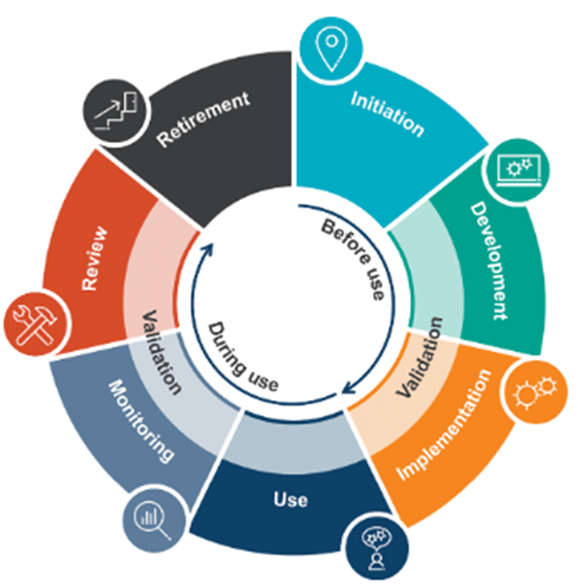
Figure 3: Stages in the life cycle of AI (Sandu et al., 2022).
Therefore, apart from understanding the new technology, auditors need to be aware of issues like data privacy, biases, and fairness concerns of AI. They can work in close cooperation with firms and remind them about their responsibilities and obligations to be transparent about AI. They can highlight areas for improvement such that AI-driven decision-making is used in the best way to inform decision-makers.
Conclusion
AI represents a paradigm shift for the audit profession, offering tools to automate routine tasks, analyze large data sets, and detect anomalies, thereby creating new efficiencies. However, the true potential of AI in accounting lies in its partnership with human intelligence. Registered auditors who embrace AI tools, applying them with sufficient professional skepticism and judgment, will gain unique advantages that can enhance the quality of their audits. The role of a registered auditor will have to expand as AI tools become increasingly complex. Auditors should acquaint themselves with AI and need to acquire new skills, including the audit of AI. Relatedly, auditors further need to understand issues about transparency and explainability to exploit its full advantage and secure a competitive advantage.
Références
Balasubramaniam, N., M. Kauppinen, A. Rannisto, K. Hiekkanen, and S. Kujala. 2023. Transparency and explainability of AI systems: From ethical guidelines to requirements. Information and Software Technology, 159(C), 1-15. https://doi.org/10.1016/j.infsof.2023.107197
Bhaskar, L. S., A. K. Jones, and K. Kadous. 2024. You’ve Got a Chatbot Friend in Me: Do Generative AI Chatbots Improve the Quality of Auditors’ Voice Decisions? Working Paper, Indiana University and Emory University.
Cardinaels, E., S. Hollander, and B. White. 2019. Automatic summarization of earnings releases: Attributes and effects on investors’ judgments. Review of Accounting Studies, 24(3), 860-890. https://doi.org/10.1007/s11142-019-9488-0
Cardinaels, E., and J. Zureich. 2024. Do algorithms make people harsher. Working Paper, Tilburg University and Lehigh University.
Christ, H., S. A. Emett, S. L. Summers, and D. A. Wood. 2021. Prepare for takeoff: improving asset measurement and audit quality with drone-enabled inventory audit procedures. Review of Accounting Studies, 26(4): 1323-1343. https://doi.org/10.1007/s11142-020-09574-5
Chen, C., and B. Ke. 2024. Machine Learning as a Management Control Mechanism: The Case of Employee Selection. Working Paper, Shanghai Univeristy of Finance and Economics and National University of Singapore. https://ssrn.com/abstract=4789953
Commerford B., and J. Ulla. 2023. Reliance On Algorithmic Estimates: The Joint Influence of Algorithm Adaptability and Measurement Uncertainty. Working Paper, University of Illinois at Urbana-Champaign and University of Kentucky.
CPA and AICPA. 2019. A CPA’s Introduction to AI: From Algorithms to Deep Learning, What You Need to Know. https://us.aicpa.org/content/dam/aicpa/interestareas/frc/assuranceadvisoryservices/downloadabledocuments/cpas-introduction-to-ai-from-algorithms.pdf
Deloitte. 2023. Deloitte Launches Innovative ‘DARTbot’ Internal Chatbot. https://www2.deloitte.com/us/en/pages/about-deloitte/articles/press-releases/deloittelaunches-innovative-dartbot-internal-chatbot.html
Dietvorst, B. J., J. P. Simmons, and C. Massey. 2015. Algorithm aversion: People erroneously avoid algorithms after seeing them err. Journal of Experimental Psychology: General, 144(1): 114-126. https://doi.org/10.1037/xge0000033
Eulerich, M., A. Sanatizadeh, H. Vakilzadeh, and D. A. Wood. 2024. Is it All Hype? ChatGPT’s Performance and Disruptive Potential in the Accounting and Auditing Industries. Review of Accounting Studies, 29(3): 2318-2349. https://doi.org/10.1007/s11142-024-09833-9
Eloundou T., S. Manning, P. Mishkin, and D. Rock. 2024. GPTs are GPTs: An early look at the labor market impact potential of large language models. Science, 384(6702): 1306-1308. https://doi.org/10.1126/science.adj0998
Fedyk A., J. Hodson, N. Khimich, and T. Fedyk. 2022. Is artificial intelligence improving the audit process?. Review of Accouningt Studies, 27(3): 938-985. https://doi.org/10.1007/s11142-022-09697-x
Frey, C. B., and M. A. Osborne. 2017. The future of employment: How susceptible are jobs to computerization? Technological Forecasting and Social Change, 114(C): 254-280. https://doi.org/10.1016/j.techfore.2016.08.019
Kim, A., M. Muhn, and N. Nikolaev. 2024. From Transcripts to Insights: Uncovering Corporate Risks Using Generative AI. Working Paper, University of Chicago. https://doi.org/10.2139/ssrn.4593660
Law, K., and M. Shen. 2024. How Does Artificial Intelligence Shape Audit Firms?. Management Science Forthcoming. https://doi.org/10.1287/mnsc.2022.04040
Levels, M. 2020. Hoe voorkom jij dat je werkloos wordt? https://www.universiteitvannederland.nl/college/hoe-voorkom-jij-dat-je-werkloos-wordt
Huang, F., W. Gyun, M. Vasarhelyi, and Z. Yan. 2023. Audit data analytics, machine learning, and full population testing. Journal of Finance and Data Science, 8: 138-144. https://doi.org/10.1016/j.jfds.2022.05.002
IBM. 2024. Artificial intelligence (AI) solutions. https://www.ibm.com/artificial-intelligence
IBM. 2024. What is explainable AI? https://www.ibm.com/topics/explainable-ai
Oyinkansola Adelakun, B. 2022. Ethical Considerations in the Use of AI for Auditing: Balancing Innovation and Integrity. European Journal of Accounting, Auditing and Finance Research, 10(12): 91-108. https://doi.org/10.37745/ejaafr.2013/vol10n1291108
Peters, C. 2024. Auditor Automation Usage and Professional Skepticism. Working Paper, Nanyang Technological University. https://ssrn.com/abstract=4309348
Reuters. 2023. ChatGPT sets record for fastest-growing user base - analyst note. https://www.reuters.com/technology/chatgpt-sets-record-fastest-growing-user-base-analyst-note-2023-02-01/
Sandu, I., M. Wiersma, and D. Manichand. Time to audit your AI algorithms. Maandblad voor Accountancy and Bedrijfseconomie, 96(7/8): 253-265. https://doi.org/10.5117/mab.96.90108
UvA. 2023. The Dutch childcare benefit scandal shows that we need explainable AI rules. https://www.uva.nl/en/shared-content/faculteiten/en/faculteit-der-rechtsgeleerdheid/news/2023/02/childcare-benefit-scandal-transparency.html
World Economic Forum. 2023. The Future of Jobs Report 2023. Available at: https://www.weforum.org/publications/the-future-of-jobs-report-2023/
WSJ (Wall Street Journal). 2023. EY Unveils Fruits of $1.4 Billion Artificial-Intelligence Investment. https://www.wsj.com/articles/ey-unveils-fruits-of-1-4-billion-artificialintelligence-investment-ab8d5b5a